Microbial Sequencing Service
Home
>
Sequencing
> Microbial Sequencing Service
What Is Microbiome Sequencing?
Microbiome sequencing is a powerful genomic approach used to identify and analyze the microorganisms present in a sample, including bacteria, fungi, viruses, and archaea. Advances in next-generation sequencing (NGS) have significantly reduced costs while improving speed, accuracy, and data quality, making comprehensive microbiome analysis more accessible than ever.
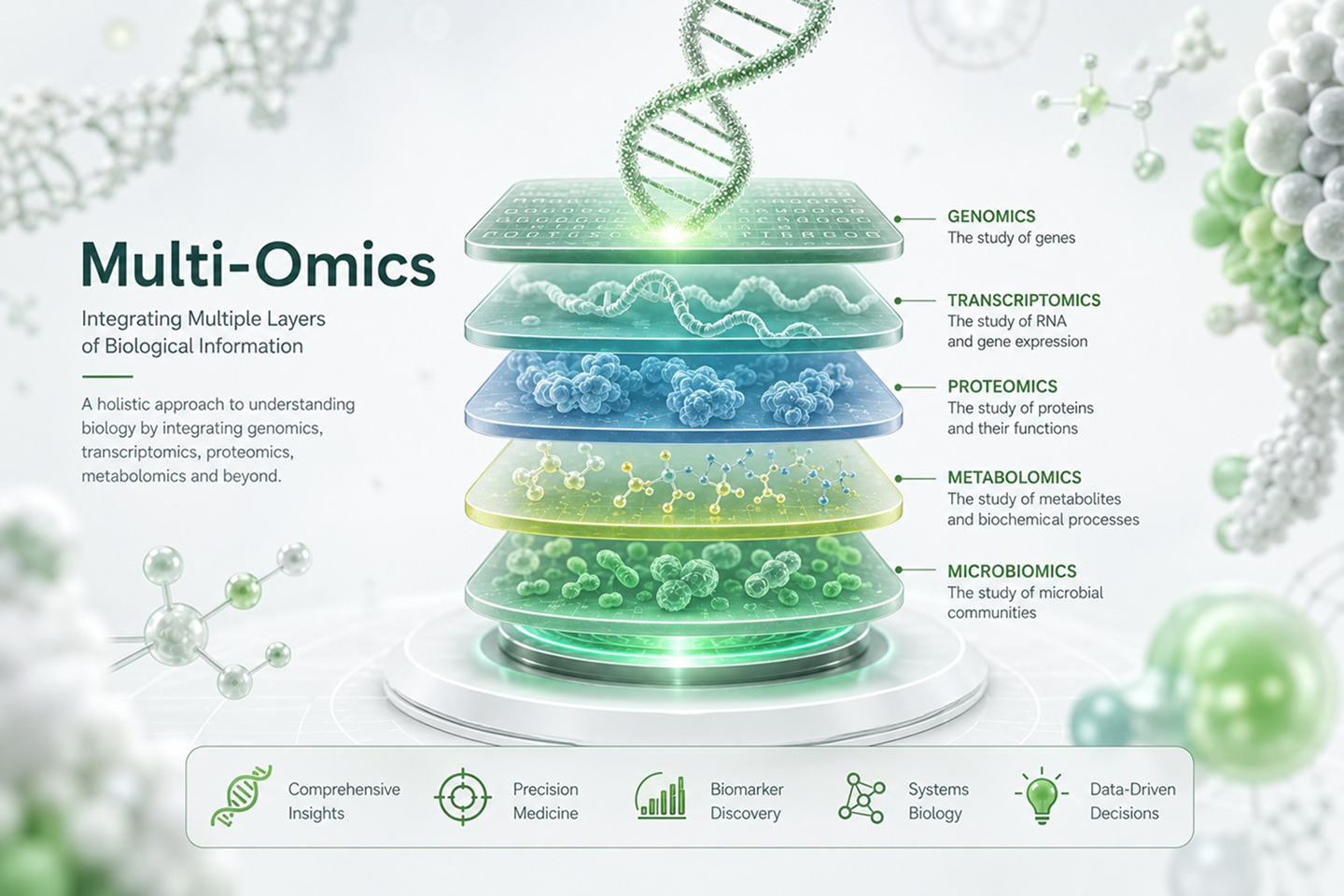
Modern microbiome research combines high-throughput sequencing with bioinformatics to investigate both the composition and functional potential of microbial communities. Common techniques include amplicon sequencing for microbial identification, metagenomic sequencing for genetic profiling, metatranscriptomics for gene expression analysis, and proteomics and metabolomics for functional insights. Together, these methods provide a deeper understanding of microbial diversity, interactions, and their roles in health, agriculture, and the environment.
Ongoing advances in sequencing and microbial cultivation technologies continue to reveal previously unknown or difficult-to-culture microorganisms, expanding our knowledge of the microbial world.
Microbiome Sequencing Methods
Next-generation sequencing (NGS) has transformed microbiome research by enabling comprehensive analysis of microbial communities across environmental, agricultural, and clinical samples. These technologies generate high-resolution data that reveal both the taxonomic composition and functional capabilities of complex microbiomes.
Common microbiome sequencing approaches include:
• 16S rRNA Sequencing – Profiles bacterial and archaeal communities.
• Viral Metagenomic Sequencing – Detects and characterizes viral populations in complex samples.
Microbial genome research
Microbial transcriptome research
Microbial Whole Genome Sequencing
Microbial transcriptomic Sequencing
Microbial Whole Genome De novoSequencing
Metatranscriptomic Sequencing
16s/18s/ITS Amplicon Sequencing
Microbial small RNA Sequencing
Metagenomic Sequencing
Target capture sequencing
Our Microbiome Sequencing Services
At N2Jenomics Lab Pvt. Ltd., we provide comprehensive microbiome sequencing solutions using advanced Illumina and PacBio sequencing platforms. Our services enable accurate, culture-independent analysis of microbial communities while also supporting whole-genome sequencing of cultured bacteria, fungi, viruses, and bacteriophages. From project planning to data interpretation, our experts deliver reliable, publication-ready results tailored to your research goals.
Our Service Portfolio
• 16S/18S/ITS Amplicon Sequencing
• Absolute Quantitative 16S/18S/ITS Sequencing
• Shotgun Metagenomic Sequencing
• Viral Metagenomic Sequencing
• Metatranscriptomic Sequencing
• Microbial Whole Genome Sequencing (WGS)
• Microbial Identification
Expert Support from Start to Finish
Our PhD-level scientists provide end-to-end technical guidance, including study design, sample preparation, sequencing strategy, and bioinformatics analysis. We focus on maximizing data quality while optimizing project cost and turnaround time, delivering results suitable for research, publication, and downstream applications.
Key Features & Advantages
• Complete Workflow Support – Expertise in experimental design, sample processing, library preparation, sequencing, and bioinformatics.
• Advanced Sequencing Platforms – High-quality data generated using the latest Illumina and PacBio technologies.
• Reliable Results – Standardized workflows with rigorous quality control ensure accurate and reproducible outcomes.
• Comprehensive Bioinformatics – In-depth data analysis, annotation, visualization, and publication-ready reports.
• Fast Turnaround – Efficient workflows reduce project timelines without compromising quality.
• Cost-Effective Solutions – High success rates minimize repeat experiments and overall project costs.
• Dedicated Technical Support – Personalized assistance throughout every stage of your project.
Applications of Microbiome Sequencing
• Microbial Community Profiling
Characterize microbial diversity and abundance across environmental, agricultural, clinical, and industrial samples to better understand ecosystem structure and function.
• Clinical & Infectious Disease Research
Rapidly identify microbial pathogens and study infectious agents to support disease research, diagnostics, and public health investigations.
• Microbiome & Human Health
Explore the relationship between microbial communities and health conditions, including gut microbiome studies, metabolic disorders, immune function, and disease mechanisms.
• Natural Product Discovery
Identify microbial genes and metabolic pathways associated with bioactive compounds for biotechnology, pharmaceutical, and environmental research.
• Industrial Biotechnology
Monitor microbial populations during fermentation and bioprocessing to improve productivity, quality control, and process optimization.
• Environmental Monitoring
Assess microbial communities in soil, water, air, and wastewater for biodiversity studies, pollution assessment, and ecosystem monitoring.
• Synthetic Biology & Microbial Engineering
Support the development of engineered microorganisms for applications in sustainable manufacturing, bioremediation, renewable energy, and industrial biotechnology.
Address:Registered Office: 138, Patparganj Industrial Area, New Delhi – 110092, India
Operational Address: National Institute of Plant Genome Research (BRIC - NGGF)
Lab No. 206 and 207, Aruna Asaf Ali Marg, P.O. Box No. 10531,
New Delhi – 110067, India