High-Resolution Genomic Analysis at the Single-Cell Level
Single-Cell DNA Sequencing (scDNA-seq) enables comprehensive genomic analysis of individual cells, allowing researchers to uncover genetic variations that are often masked in conventional bulk sequencing. By examining the genome of each cell independently, this technology reveals cellular heterogeneity, identifies rare mutations, and provides valuable insights into developmental processes, disease progression, and clonal evolution.
At N2Jenomics Lab Pvt. Ltd., we offer end-to-end Single-Cell DNA Sequencing Services, combining optimized whole genome amplification (WGA), advanced next-generation sequencing (NGS), and comprehensive bioinformatics analysis. Our validated workflows support accurate detection of single nucleotide variants (SNVs), copy number variations (CNVs), and structural genomic alterations from individual cells and ultra-low DNA input samples.
Introduction to Single-Cell DNA Sequencing
Somatic tissues are composed of genetically diverse cell populations, with individual cells often carrying unique mutations that contribute to biological processes and disease progression. Detecting these low-frequency genetic alterations using conventional sequencing methods can be challenging because signals from rare cells are diluted within mixed populations.
Single-Cell DNA Sequencing overcomes this limitation by analyzing the genome of individual cells. To generate sufficient DNA for sequencing, Whole Genome Amplification (WGA) is performed on DNA isolated from a single cell, enabling comprehensive genome-wide analysis while preserving the genetic information of the original cell.
Modern WGA technologies have significantly improved amplification accuracy, genome coverage, and reproducibility, allowing researchers to confidently investigate genomic variation at single-cell resolution.
At N2Jenomics Lab Pvt. Ltd., our optimized WGA protocols are designed to minimize amplification bias and false-positive variants while delivering high-quality genomic DNA suitable for accurate downstream sequencing and analysis.
Advantages of Single-Cell DNA Sequencing
• Detect Rare Genetic Variants
Identify low-frequency mutations and rare cellular subpopulations that may remain undetected using conventional bulk sequencing methods.
• Comprehensive Mutation Detection
Simultaneously detect a wide range of genomic alterations, including:
- Single nucleotide variants (SNVs).
- Copy number variations (CNVs).
- Insertions and deletions (Indels).
- Structural variations (SVs).
• Superior Sample Stability
Because DNA is inherently more stable than RNA, samples are generally easier to preserve, transport, and process without compromising data quality.
• Enhanced Sensitivity
Single-cell genomic analysis enables detection of extremely rare mutation-bearing cell populations, supporting studies of tumor evolution, minimal residual disease, and early disease development.
• Resolves Cellular Heterogeneity
Analyze genetically distinct cells individually, overcoming the limitations of mixed-cell sequencing and providing a more accurate view of complex biological samples.
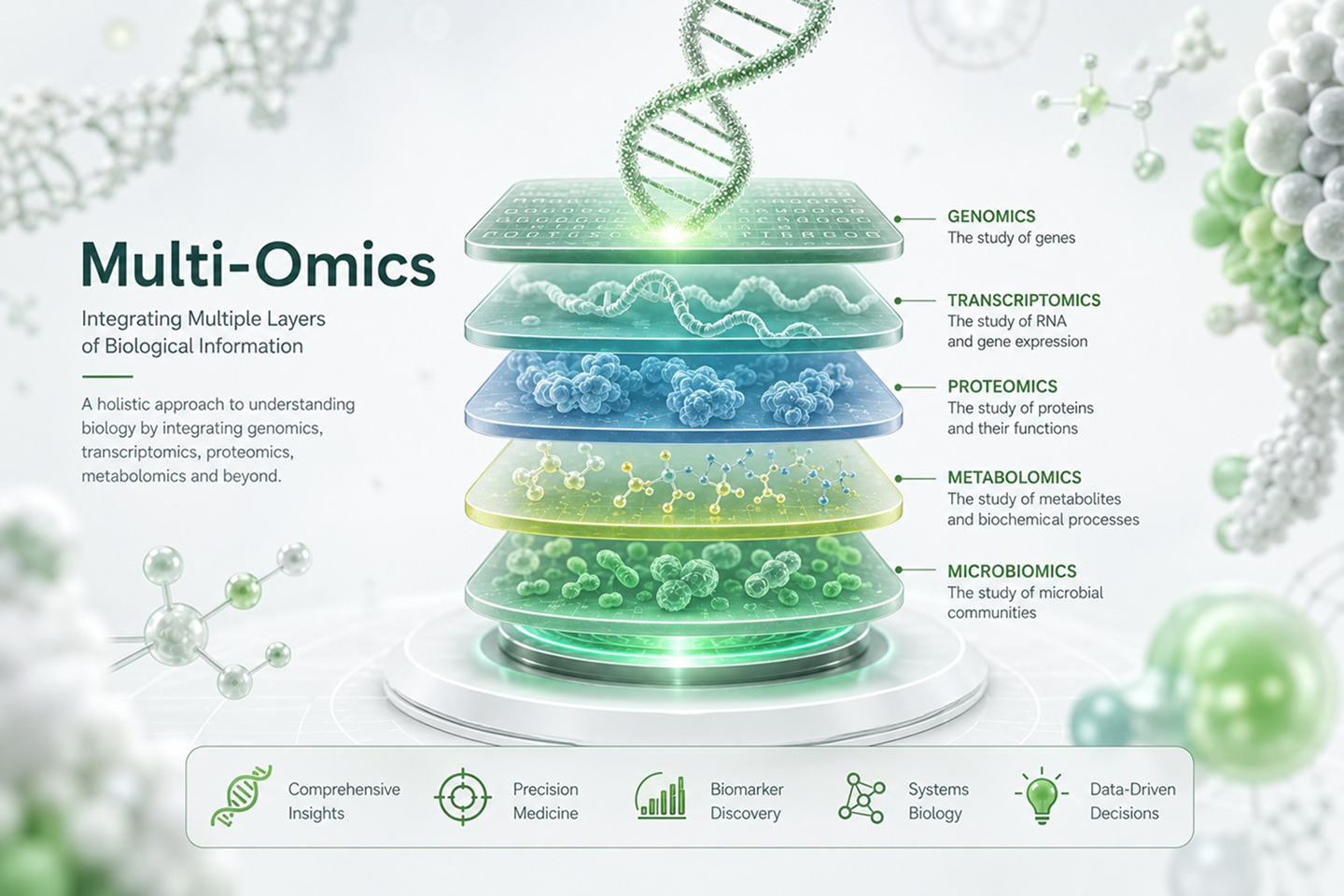
• Supports Multi-Omics Integration
Single-cell DNA sequencing can be integrated with complementary technologies such as:
- Single-cell RNA sequencing.
- Single-cell DNA methylation analysis.
- Cell surface protein profiling.
- Immune repertoire sequencing (BCR/TCR).
- Multi-omics data integration.
This combined approach provides a more comprehensive understanding of cellular identity and function.
Applications of Single-Cell DNA Sequencing
Single-cell DNA sequencing has become an essential tool across numerous areas of biomedical and life science research.
• Cancer Genomics
- Tumor heterogeneity analysis.
- Clonal evolution studies.
- Detection of therapy-resistant cell populations.
- Cancer progression research.
- Biomarker discovery.
• Genomic Variant Discovery
- Genome-wide identification of SNVs.
- Copy number variation (CNV) analysis.
- Structural variant detection.
- Rare mutation discovery.
- Whole-exome and whole-genome analysis.
• Developmental Biology
- Cell lineage reconstruction.
- Embryonic development studies.
- Cellular differentiation analysis.
- Developmental genetics research.
• Immunology
- Immune cell genomic profiling.
- Investigation of immune cell diversity.
- Studies of immune system development.
- Precision immunology research.
• Neuroscience
- Characterization of neuronal genomic diversity.
- Brain development studies.
- Neurodegenerative disease research.
- Investigation of somatic mosaicism in the nervous system.
• Microbial and Environmental Research
- Single-cell microbial genomics.
- Microbial diversity analysis.
- Environmental microbiology.
- Host–microbe interaction studies.
Single-Cell DNA Sequencing Workflow
Our standardized workflow integrates advanced laboratory protocols with comprehensive bioinformatics to generate reliable, high-quality genomic data from individual cells.
Step 1: Sample Preparation
• Tissue processing or cell suspension preparation.
• Cell viability assessment.
• Quality control.
Step 2: Single-Cell Isolation
• Isolation of individual cells using technologies such as flow cytometry, microfluidics, or laser capture microdissection.
• Verification of single-cell capture.
Step 3: Whole Genome Amplification (WGA)
• Amplification of genomic DNA using validated WGA methods.
• Generation of sufficient DNA for downstream sequencing.
• Quality assessment of amplified DNA.
Step 4: Library Preparation
• DNA fragmentation.
• End repair.
• Adapter ligation.
• Library amplification.
• Library quality control.
Step 5: Next-Generation Sequencing
• High-throughput sequencing using leading NGS platforms.
• Generation of comprehensive genome-wide sequence data.
Step 6: Bioinformatics Analysis
Our advanced analysis pipeline includes:
• Sequencing quality assessment.
• Read alignment.
• Variant calling.
• SNV analysis.
• CNV detection.
• Structural variation analysis.
• Functional annotation.
• Data visualization.
• Publication-ready reports.
Service Specification
Sample Requirements
96-well plates of live cells suspension are recommended for this procedure.
Frozen cells in specific frozen lysates can also be used as starting material.
>1000 pg extracted DNA.
Cells Recommended Quantity & Quality: 1-103, Single cells are stored in 1xPBS buffer (without Ca2+, Mg2+), the volume is within 2 μL
DNA Recommended Quantity & Quality≥ 0.5pg
Sequencing
HiSeq X Ten
Depth of coverage ≥ 30x
More than 85% of bases with a ≥Q30 quality score
Bioinformatics Analysis
Raw data quality control
Alignment with reference genome
SNP/InDel/SV/CNV calling
Annotation and statistics
Advanced analysis: monogenic disorders, complex/multifactorial disorders, and cancer
Analysis Pipeline
Deliverables
• The original sequencing data
• Experimental results
• Data analysis report
• Details in Single-Cell Sequencing for your writing (customization)
1. What is Single-Cell DNA Sequencing?
Single-Cell DNA Sequencing (scDNA-seq) is an advanced genomic technology that analyzes the complete DNA content of an individual cell. Unlike conventional DNA sequencing, which examines DNA pooled from millions of cells, scDNA-seq provides genome-wide information at single-cell resolution.
This approach enables researchers to investigate genetic diversity among individual cells, identify rare mutations, and gain a deeper understanding of cellular evolution, making it an invaluable tool for cancer research, developmental biology, neuroscience, and precision medicine.
2. Why is Single-Cell DNA Sequencing important?
Individual cells within the same tissue often carry distinct genetic alterations that cannot be detected using bulk sequencing methods. Single-cell DNA sequencing enables researchers to uncover these differences and study genetic variation with unprecedented precision.
Key benefits include:
• Characterizing cellular heterogeneity.
• Detecting rare genetic variants.
• Investigating clonal evolution.
• Understanding tumor progression.
• Studying genomic instability.
• Supporting precision medicine and biomarker discovery.
• By revealing genetic diversity at the cellular level, scDNA-seq provides valuable insights into disease mechanisms and therapeutic development.
3. How does Single-Cell DNA Sequencing differ from conventional DNA sequencing?
Traditional DNA sequencing analyzes DNA extracted from large populations of cells, producing an average genomic profile that can mask important differences between individual cells.
In contrast, Single-Cell DNA Sequencing examines the genome of each cell independently, allowing researchers to detect rare mutations and characterize cellular diversity.
Conventional DNA Sequencing
Single-Cell DNA Sequencing
DNA obtained from millions of cells
DNA analyzed from individual cells
Provides an average genomic profile
Reveals cell-to-cell genetic variation
Rare mutations may be overlooked
Detects rare mutations and subclonal populations
Limited ability to study heterogeneity
Ideal for investigating cellular heterogeneity and clonal evolution
4. What are the major whole-genome amplification methods used in Single-Cell DNA Sequencing?
Because a single cell contains only a few picograms of DNA, Whole Genome Amplification (WGA) is required before sequencing. Two of the most widely used amplification strategies are Multiple Displacement Amplification (MDA) and Multiple Annealing and Looping-Based Amplification Cycles (MALBAC).
Multiple Displacement Amplification (MDA)
MDA is an isothermal amplification method that employs random hexamer primers and Phi29 DNA polymerase, an enzyme with excellent proofreading activity and high amplification fidelity. It produces long DNA fragments with broad genome coverage, making it highly suitable for accurate variant detection.
Advantages
• Excellent genome coverage.
• High amplification fidelity.
• Long DNA fragment generation.
Highly suitable for SNV detection.
Limitations
• Amplification bias in certain genomic regions.
• Less uniform amplification compared with MALBAC.
• Moderate performance for quantitative CNV analysis.
Multiple Annealing and Looping-Based Amplification Cycles (MALBAC)
MALBAC combines quasi-linear amplification with PCR to improve amplification uniformity and reproducibility across the genome. Its reduced amplification bias makes it particularly useful for quantitative genomic analyses.
Advantages
• Highly uniform genome amplification.
• Excellent reproducibility between individual cells.
• Well suited for Copy Number Variation (CNV) analysis.
• Reduced amplification bias.
Limitations
• Lower amplification fidelity than MDA.
• Higher false-positive rate for SNV detection.
• Some genomic regions may remain underrepresented.
5. How does Single-Cell DNA Sequencing work?
Single-cell DNA sequencing involves several carefully optimized laboratory and computational steps.
Step 1: Single-Cell Isolation
Individual cells are isolated from heterogeneous samples using specialized techniques such as:
• Fluorescence-Activated Cell Sorting (FACS).
• Microfluidic cell capture.
• Laser Capture Microdissection (LCM).
• Micromanipulation.
Step 2: Whole Genome Amplification
Because genomic DNA from a single cell is extremely limited, whole genome amplification is performed using methods such as:
• MDA.
• MALBAC.
• DOP-PCR.
This step generates sufficient DNA for sequencing while preserving genomic information.
Step 3: Library Preparation
Amplified DNA is converted into sequencing libraries through:
• DNA fragmentation.
• End repair.
• Adapter ligation.
• Library amplification.
• Quality control.
Step 4: Next-Generation Sequencing
Prepared libraries are sequenced using advanced NGS platforms, including:
• Illumina.
• PacBio.
• Oxford Nanopore Technologies.
These platforms generate high-quality genomic sequence data for downstream analysis.
Step 5: Bioinformatics Analysis
Raw sequencing data undergoes comprehensive computational analysis, including:
• Quality assessment.
• Read alignment.
• Variant calling.
• Single nucleotide variant (SNV) detection.
• Copy number variation (CNV) analysis.
• Structural variation (SV) detection.
• Genome annotation.
• Biological interpretation.
• Publication-ready reports.
6. What whole-genome amplification techniques are available?
Several amplification methods have been developed for single-cell genomics, each optimized for different research applications.
Amplification Method
Principle
Typical Applications
MDA
Isothermal amplification using Phi29 polymerase
SNV detection, whole-genome sequencing
MALBAC
Quasi-linear amplification followed by PCR
CNV analysis, comparative genomics
DOP-PCR
Degenerate oligonucleotide-primed PCR
Chromosome copy number analysis
LIANTI
Transposon-based linear amplification
High-resolution genome analysis
META-CS
Advanced transposase-assisted amplification
Emerging single-cell genomic applications
Among these methods, MDA and MALBAC remain the most widely adopted due to their reliability and broad applicability in single-cell sequencing workflows.
7. What are the challenges of Single-Cell DNA Sequencing?
Although Single-Cell DNA Sequencing offers exceptional genomic resolution, several technical challenges remain.
These include:
• Limited DNA quantity from individual cells.
• Potential DNA loss during cell isolation.
• Amplification bias introduced during whole-genome amplification.
• False-positive variants caused by amplification errors.
• Allelic dropout.
• Complex bioinformatics analysis.
• Higher experimental costs than conventional sequencing.
• Continuous improvements in sequencing chemistry, library preparation, and computational analysis are steadily reducing these limitations.
8. What is the future of Single-Cell DNA Sequencing?
Single-cell genomics continues to evolve rapidly with advances in sequencing technologies, automation, and computational biology.
Future developments are expected to include:
• Higher-throughput sequencing workflows.
• Lower sequencing costs.
• Improved amplification accuracy.
• Enhanced multi-omics integration.
• More comprehensive cell lineage reconstruction.
• AI-assisted genomic data analysis.
• Expanded applications in precision medicine and clinical diagnostics.
As these innovations mature, Single-Cell DNA Sequencing will play an increasingly important role in understanding human biology, disease mechanisms, therapeutic development, and personalized healthcare.
9. Why choose N2Jenomics Lab Pvt. Ltd. for Single-Cell DNA Sequencing?
N2Jenomics Lab Pvt. Ltd. offers comprehensive Single-Cell DNA Sequencing solutions, combining advanced laboratory workflows with high-throughput sequencing and expert bioinformatics support. Our end-to-end services include single-cell isolation, whole-genome amplification, library preparation, next-generation sequencing, and customized data analysis for applications such as cancer genomics, copy number variation analysis, rare mutation detection, developmental biology, and precision medicine. With rigorous quality control, flexible project design, and publication-ready deliverables, we help researchers generate accurate, reproducible, and biologically meaningful single-cell genomic insights.
Address:Registered Office: 138, Patparganj Industrial Area, New Delhi – 110092, India
Operational Address: National Institute of Plant Genome Research (BRIC - NGGF)
Lab No. 206 and 207, Aruna Asaf Ali Marg, P.O. Box No. 10531,
New Delhi – 110067, India