Nanopore Ultra-Long Sequencing Service for Complete Genome Assemblies
N2Jenomics Lab Pvt. Ltd. offers Nanopore Ultra-Long Sequencing services for researchers seeking highly contiguous genome assemblies and comprehensive structural variation analysis. Leveraging the latest Oxford Nanopore ultra-long read technology, our optimized workflows routinely generate ultra-long reads exceeding 100 kb (N50), with maximum read lengths extending beyond 4 Mb, enabling the resolution of genomic regions that are challenging for conventional sequencing methods.
Designed for applications in plant and animal genomics, agriculture, biotechnology, microbial genomics, and biomedical research, our service combines high-molecular-weight DNA preparation, optimized library construction, advanced sequencing platforms, and robust bioinformatics analysis to support high-quality, gap-minimized genome assemblies and telomere-to-telomere (T2T) genome projects.
Key Advantages
• Ultra-long sequencing reads that span repetitive regions, structural variants, and complex genomic architectures.
• Read lengths exceeding 100 kb, with the capability to generate multi-megabase reads for suitable samples.
• Improved genome continuity, supporting chromosome-scale and telomere-to-telomere genome assemblies.
• Accurate detection of structural variants, repeat expansions, and complex genomic rearrangements.
• Comprehensive end-to-end service, including DNA quality assessment, library preparation, sequencing, bioinformatics analysis, and publication-ready reporting.
• Customized project support for researchers in academia, biotechnology, pharmaceutical development, and agricultural genomics.
Conventional sequencing technologies often struggle to resolve highly repetitive regions, structural rearrangements, and polyploid genomes, resulting in fragmented assemblies and unresolved genomic gaps. These limitations can reduce the accuracy of downstream analyses, including genome annotation, structural variant detection, and comparative genomics.
Nanopore Ultra-Long Sequencing overcomes these challenges by generating exceptionally long DNA reads that can span centromeres, telomeres, repeat-rich regions, and large structural variants in a single continuous read. This enables researchers to produce highly contiguous, chromosome-scale, and even telomere-to-telomere (T2T) genome assemblies with greater confidence.
The ability to resolve complete genome structures has made ultra-long sequencing an invaluable tool for plant and animal genomics, microbial research, evolutionary biology, agriculture, and biomedical sciences.
Technical Specifications
Parameter
Specification
Read length
N50 typically >50–100 kb; maximum reads >4 Mb*
Sample requirement
High-molecular-weight genomic DNA (typically extracted from ≥6 million cells or equivalent tissue)
Qubit, NanoDrop, and PFGE or equivalent DNA integrity analysis
Storage & shipping
Samples transported under recommended cold-chain conditions
*Performance depends on sample quality, DNA integrity, library preparation, and sequencing configuration.
Why Partner with N2Jenomics Lab Pvt. Ltd.?
N2Jenomics Lab Pvt. Ltd. combines optimized laboratory workflows with advanced Oxford Nanopore sequencing technology to maximize read length, data quality, and assembly continuity.
Key Advantages
• Gap-Minimized Genome Assemblies
Ultra-long reads span repetitive and GC-rich regions, enabling highly contiguous genome assemblies with fewer unresolved gaps.
• Comprehensive Structural Variant Detection
Accurately identify large insertions, deletions, inversions, translocations, repeat expansions, and other complex genomic rearrangements.
• Polyploid & Complex Genome Analysis
Optimized workflows support haplotype resolution and genome assembly for complex plant, animal, and polyploid genomes.
• Telomere-to-Telomere Genome Assembly
Generate chromosome-scale assemblies that improve genome completeness and annotation accuracy.
• Latest Nanopore Chemistry
Projects are performed using the latest Oxford Nanopore ultra-long sequencing chemistry and optimized protocols to maximize sequencing performance.
• High-Molecular-Weight DNA Expertise
Specialized laboratory procedures preserve ultra-high-molecular-weight DNA from diverse sample types, including plants, animals, microbes, and cultured cells.
• Optimized Library Preparation
Carefully optimized DNA repair and library construction workflows help maintain long DNA fragments and maximize sequencing yield.
• Advanced Sequencing Platforms
Access to PromethION and GridION platforms provides scalable sequencing capacity for projects ranging from individual genomes to large research studies.
• Complete End-to-End Support
Our team provides project consultation, sample quality assessment, sequencing, bioinformatics analysis, and publication-ready reports, ensuring a seamless experience from sample submission to final data delivery.
Representative Research Applications
Our Nanopore Ultra-Long Sequencing service supports a wide range of complex genome projects across plant, animal, microbial, and biomedical research. The examples below illustrate the types of applications and outcomes that ultra-long read sequencing can enable.
Research Area
Sequencing Strategy
Typical Outcome
Complex plant genome assembly
Ultra-long Nanopore sequencing with complementary assembly workflows
Improved genome continuity and highly contiguous chromosome-scale assemblies
Polyploid genome analysis
Ultra-long reads for haplotype resolution
Accurate haplotype phasing and enhanced genome validation
Telomere-to-telomere (T2T) genomes
PromethION ultra-long sequencing
Resolution of centromeres, telomeres, and other highly repetitive regions
Microbial and model organism genomes
Ultra-long Nanopore sequencing
Near-complete genome assemblies with improved structural accuracy
Project performance varies depending on sample quality, sequencing depth, genome complexity, and analysis strategy.
Research Applications
Nanopore Ultra-Long Sequencing provides exceptional value for projects involving complex genomes and difficult-to-sequence regions.
• De Novo Genome Assembly
Generate highly contiguous genome assemblies by spanning repetitive sequences, GC-rich regions, and unresolved genomic gaps.
• Structural Variant Analysis
Detect large insertions, deletions, inversions, translocations, repeat expansions, and other complex genomic rearrangements with high confidence.
• Polyploid Genome Research
Improve haplotype phasing and genome assembly accuracy for polyploid plants, hybrids, and other genetically complex organisms.
• Telomere-to-Telomere (T2T) Assembly
Support chromosome-scale genome assemblies by resolving telomeres, centromeres, ribosomal DNA arrays, and other repetitive genomic regions.
• Multi-Omics Integration
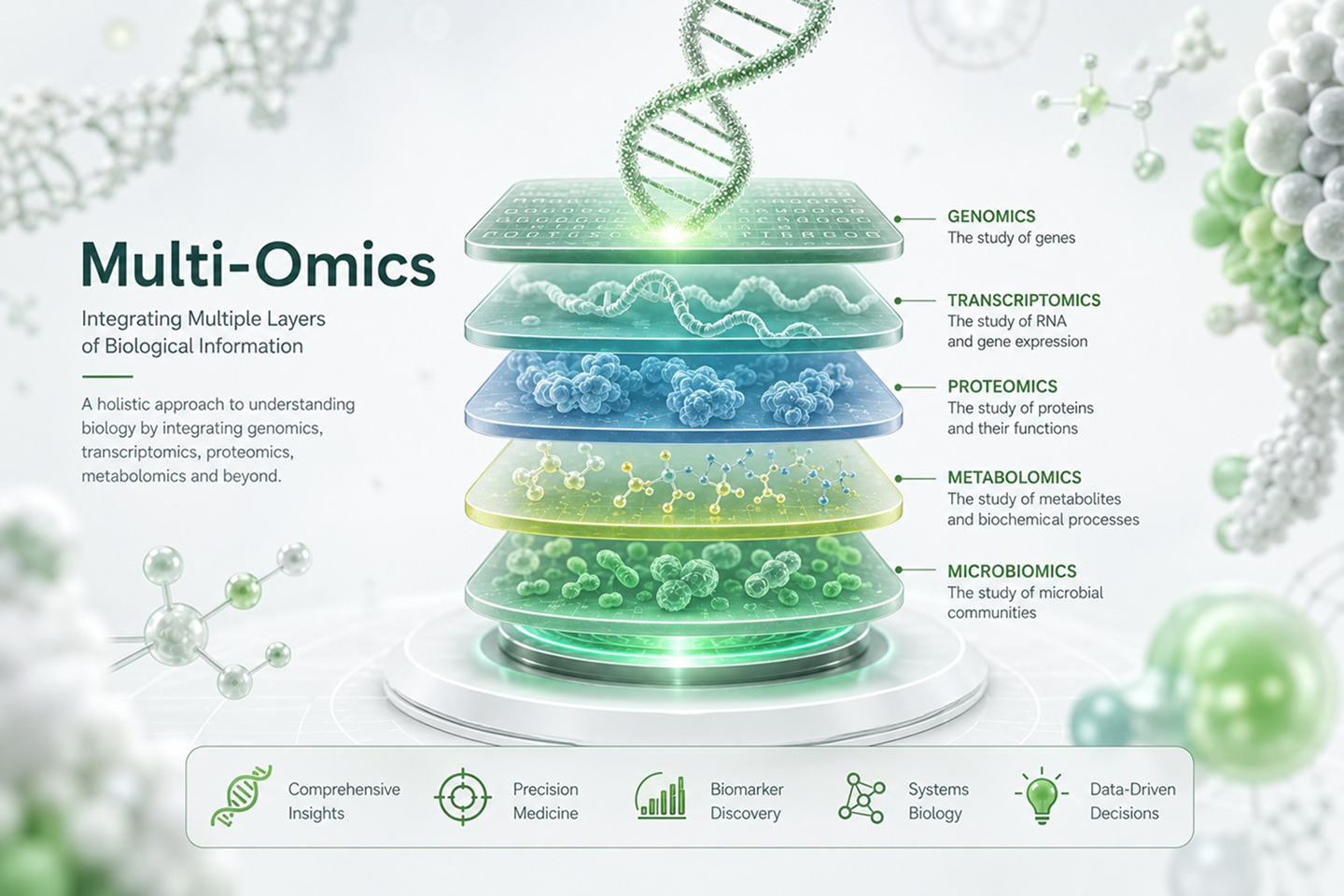
Combine ultra-long genome sequencing with Nanopore Direct RNA Sequencing or Full-Length Transcriptome Sequencing to investigate the relationship between genome structure, gene expression, and transcript diversity.
Bioinformatics Analysis
N2Jenomics Lab Pvt. Ltd. provides a comprehensive bioinformatics workflow for Nanopore Ultra-Long Sequencing, transforming raw sequencing data into high-quality genome assemblies and biologically meaningful insights. Our analysis pipeline is optimized for ultra-long reads, enabling accurate genome reconstruction, structural variant detection, and advanced downstream analyses.
Standard Analysis
Analysis Stage
Description
Basecalling
Convert raw nanopore signal data into high-accuracy DNA or RNA sequences using the latest Oxford Nanopore basecalling algorithms.
Quality Control (QC)
Evaluate read quality, read-length distribution, sequencing yield, N50 statistics, and overall data performance.
De Novo Genome Assembly
Generate highly contiguous genome assemblies using long-read assembly tools optimized for complex genomes.
Assembly Polishing
Improve assembly accuracy through long-read polishing and, when appropriate, hybrid error-correction workflows.
Advanced Analysis (Optional)
Analysis Stage
Description
Structural Variant Detection
Identify large insertions, deletions, inversions, translocations, repeat expansions, and other structural variants.
Variant Phasing & Annotation
Phase genetic variants across long genomic regions and annotate their potential biological significance.
Telomere-to-Telomere (T2T) Assembly
Support chromosome-scale assemblies by resolving repetitive regions, centromeres, and telomeres.
DNA Modification Analysis
Detect native DNA base modifications, including DNA methylation, using Nanopore-compatible analysis workflows.
Metagenomic Classification
Classify microbial communities and mixed-species samples using long-read taxonomic analysis pipelines.
Deliverables
Each project includes comprehensive sequencing data and analysis outputs.
• Raw sequencing data (FASTQ)
• Quality control report with sequencing statistics (yield, read length, N50, quality metrics)
• Alignment files (BAM) (optional)
• Genome assembly files (optional)
• Structural variant and annotation reports (optional)
• DNA methylation analysis (optional)
• Publication-ready figures and visualizations
• Comprehensive project report with methods and analysis summary
Sample Requirements
To maximize read length and sequencing performance, high-quality ultra-high-molecular-weight (uHMW) DNA is strongly recommended.
Sample Type
Sample Source
Recommended Input
Notes
Animal
Mammalian blood
≥5 mL
Collect in plastic anticoagulant tubes and avoid repeated freeze–thaw cycles.
Cell viability should exceed 85%; transport using an appropriate cryopreservation medium if frozen.
Internal organs (viscera)
≥0.5 g
DNA quality may be lower than other tissue types and could reduce ultra-long read performance.
Muscle tissue
≥3 g
Fresh or snap-frozen tissue is preferred.
Plant
Young leaves
≥3 g
Young, actively growing leaves generally provide the highest-quality ultra-high-molecular-weight DNA.
Sample Preparation Guidelines
To obtain the highest-quality sequencing data, we recommend:
• Using fresh or properly preserved samples whenever possible.
• Minimizing DNA degradation during collection and transport.
• Avoiding repeated freeze–thaw cycles.
• Maintaining samples under recommended cold-chain conditions during shipment.
• For plant tissues, removing surface contaminants before processing and rapidly freezing samples to preserve DNA integrity.
• Our technical specialists are available to review sample quality, recommend optimal preparation methods, and assist with custom sample types or challenging genome projects.
1. What read lengths can I expect from Nanopore Ultra-Long Sequencing?
Nanopore Ultra-Long Sequencing routinely generates N50 read lengths of over 50–100 kb, depending on sample quality and library preparation. Under optimized conditions, individual reads can exceed 4 Mb, enabling comprehensive analysis of highly complex genomic regions.
2. Why are ultra-long reads important for genome assembly?
Ultra-long reads can span repetitive regions, centromeres, telomeres, and other difficult genomic sequences that are challenging for short-read technologies. This improves assembly continuity, reduces unresolved gaps, and supports chromosome-scale and telomere-to-telomere (T2T) genome assemblies.
3. How does ultra-long sequencing improve structural variant detection?
Because long reads span large genomic regions, they enable accurate identification of structural variants, including large insertions, deletions, inversions, translocations, repeat expansions, and complex genomic rearrangements that may be difficult to resolve using short-read sequencing.
4. Can Nanopore sequencing be used for both DNA and RNA analysis?
Yes. Oxford Nanopore technology supports sequencing of both DNA and RNA. Depending on your research goals, we also offer complementary services such as Direct RNA Sequencing, Full-Length Transcriptome Sequencing, and Targeted Sequencing to provide integrated genomic and transcriptomic insights.
5. What sample quality is required for ultra-long sequencing?
High-quality ultra-high-molecular-weight (uHMW) DNA is essential for achieving the longest possible reads. Samples should exhibit minimal degradation, high purity, and long DNA fragments. Our laboratory provides detailed sample preparation guidelines and quality assessment to maximize sequencing performance.
6. Which sample types are suitable for this service?
We support a wide range of sample types, including plant tissues, animal tissues, blood, cultured cells, microbial samples, and other high-quality genomic DNA. Our scientists can recommend the most appropriate extraction strategy based on your sample type and research objectives.
7. What applications are best suited for Nanopore Ultra-Long Sequencing?
This technology is ideal for de novo genome assembly, telomere-to-telomere (T2T) genome projects, structural variant analysis, polyploid genome assembly, repeat region characterization, haplotype phasing, comparative genomics, and complex genome research.
8. Is Nanopore sequencing suitable for high-throughput and portable workflows?
Yes. Oxford Nanopore technology offers scalable sequencing solutions ranging from portable instruments for small projects to GridION and PromethION platforms for high-throughput genome sequencing. This flexibility allows workflows to be tailored to different project sizes and sequencing requirements.
Address:Registered Office: 138, Patparganj Industrial Area, New Delhi – 110092, India
Operational Address: National Institute of Plant Genome Research (BRIC - NGGF)
Lab No. 206 and 207, Aruna Asaf Ali Marg, P.O. Box No. 10531,
New Delhi – 110067, India